Supplemental Material for Rabbit Island Residency Application 2026
Field Notes : Anna M. Maynard 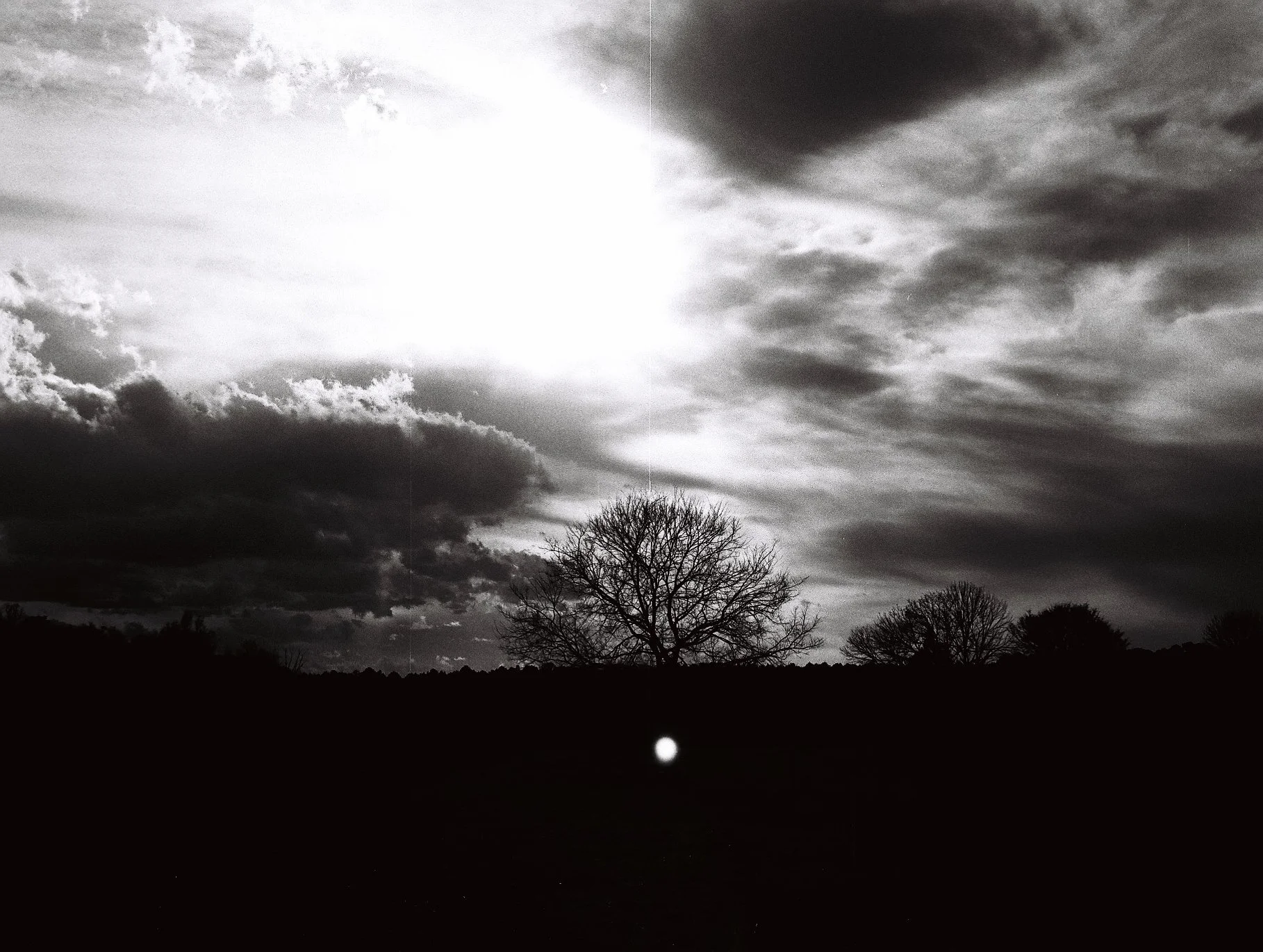
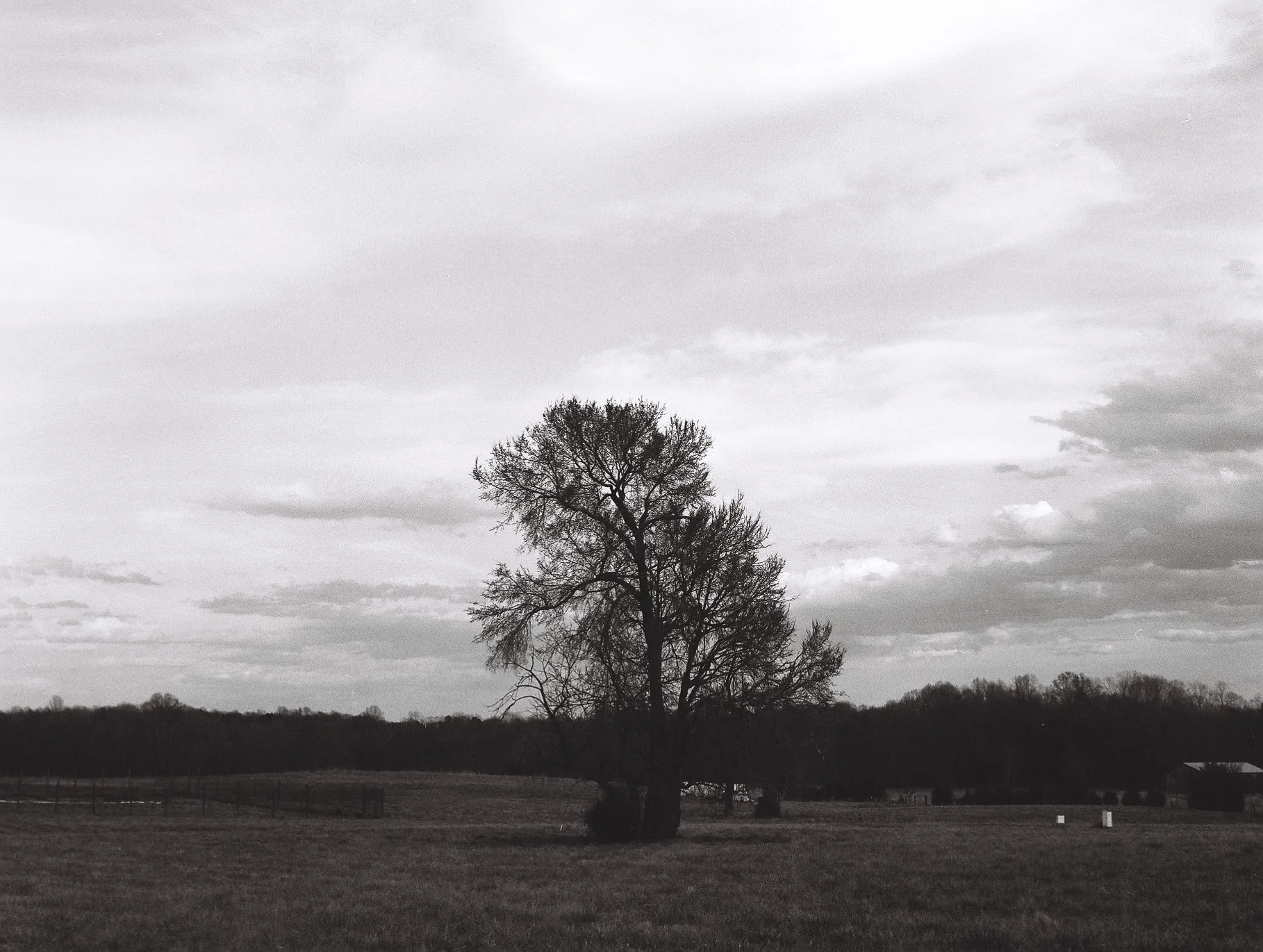
Emotional tone is the body’s background state of readiness, expressed through subtle shifts in muscular activation and attention that shape how emotion begins and how the world is met before feeling is named.
My body orients before I shift from standing to laying on the hard wood dance floor. It readies itself as I imagine giving to gravity, as I prepare to reach towards something I long for. Its something like a turning and gathering inside my chest. I remember, the drop I felt when a branch snapped under the weight of the vulture hunting in my territory, and the expanse of its wings turning a fall into flight.
The pre-orientation, that happens in the tiny muscles around my spine as I lift in hope or shrink in shame or sadness. The haul of turning myself around when I am having difficulty focusing my mind, or listening to my heart. I feel the expanse of joy when I receive a hand written letter and a wrapping embrace, something like fire flicking around the burning logs in my wood stove in winter.
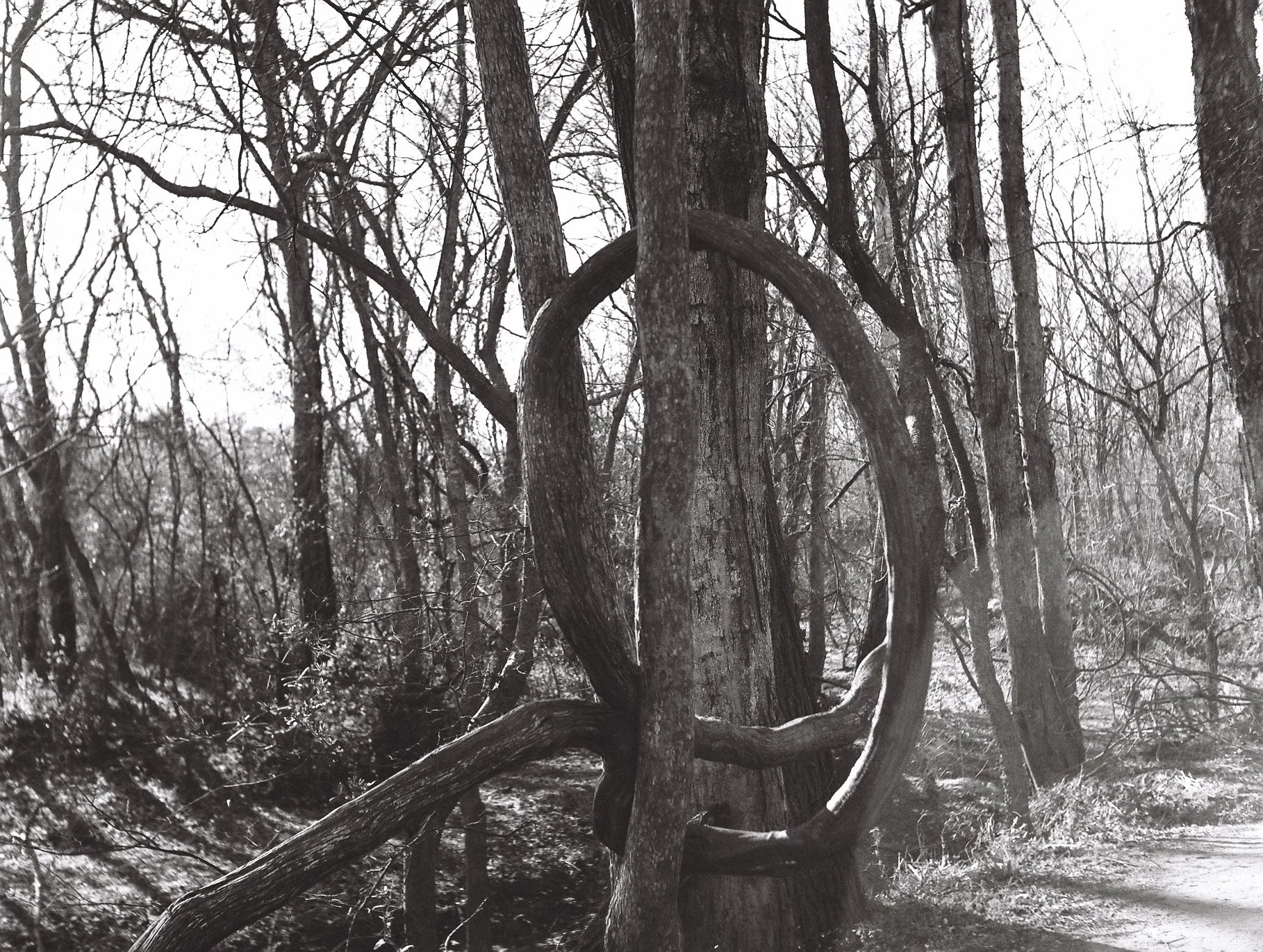
Investigating perception as a living exchange between body and environment.
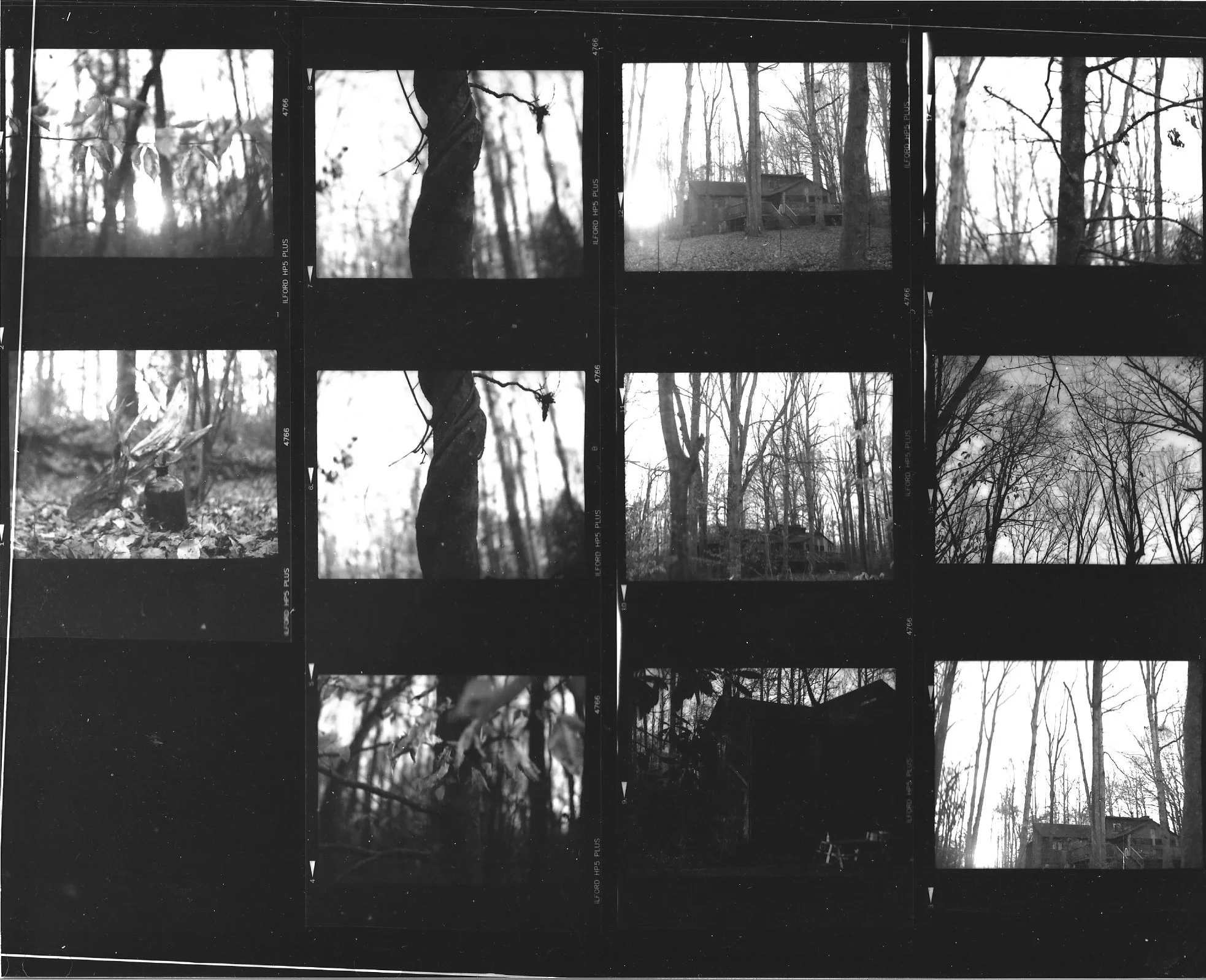
Practice as method
Tone as the body’s early language
Listening as a physical act
Attunement as ecological participation
Image making as an extension of attention
Orientation revealing readiness
Emotional tonic → perception inside the body
Underscore → states of grace*
Emergent improvisation → perception inside systems
Queer phenomenology → orientation shaping perception
Image making → perception made visible
Research Notes:
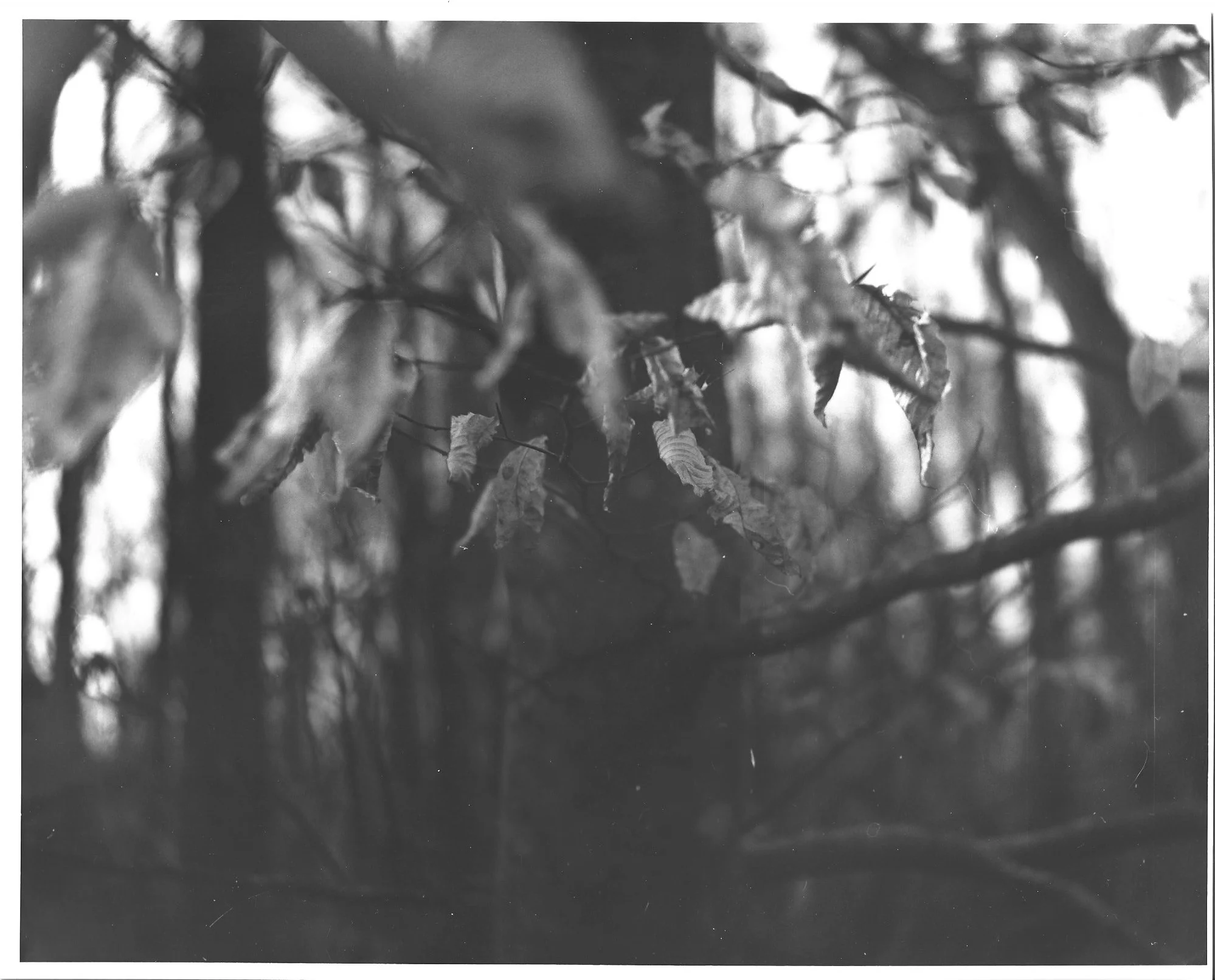
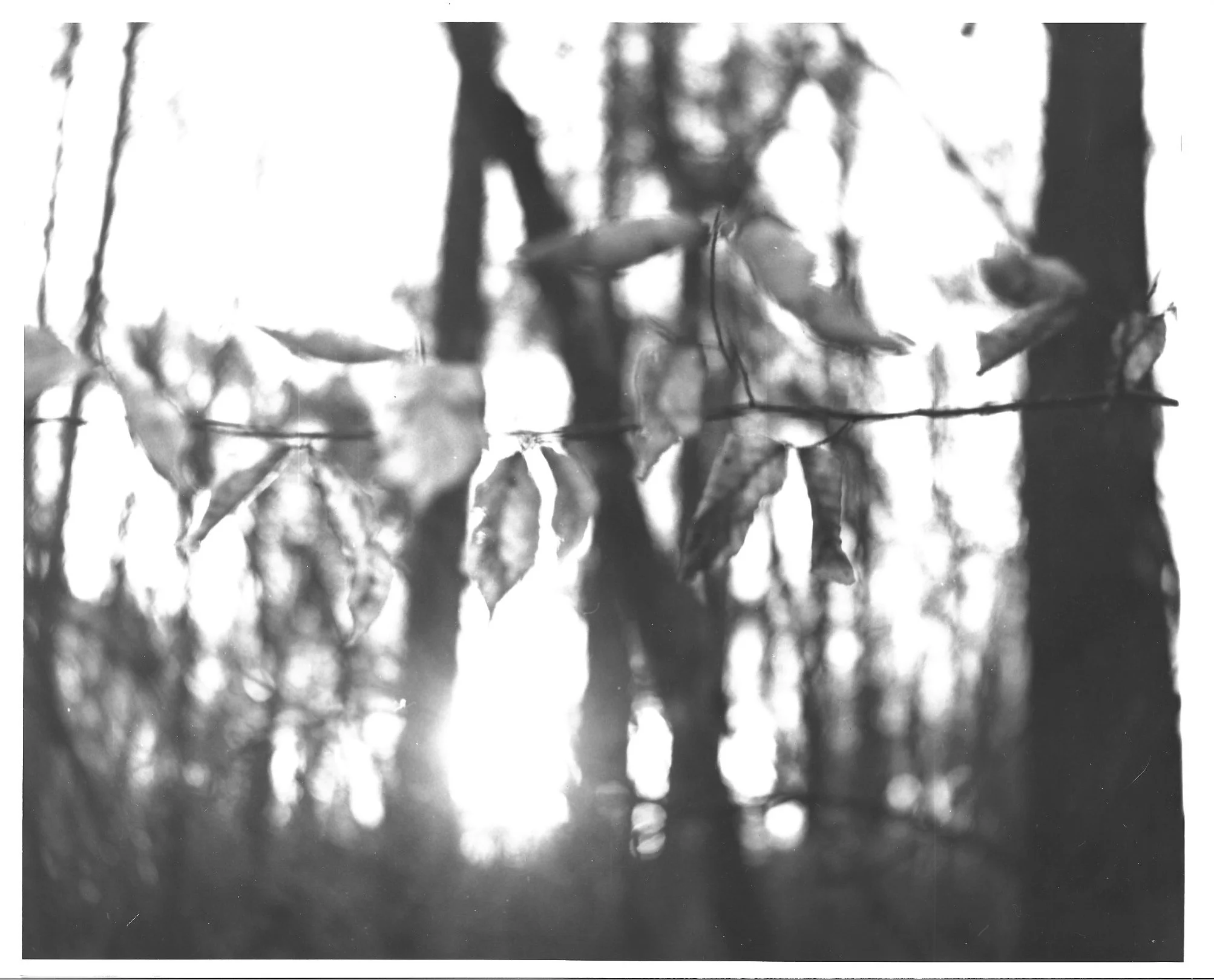
Natural Scores
My practice is informed by the concept of a score — a structure that supports attention and makes subtle shifts in experience perceptible across time. The Underscore offers one such score, mapping phases of arrival, engagement, development, and release while tracking changes in tone, orientation, and relational awareness.
I have come to understand the human stress cycle as a similar kind of score, one that unfolds through activation, mobilization, and settling. Working within these cyclical structures strengthens my capacity to observe how the nervous system adapts to changing internal and environmental conditions.
I am interested in researching naturally occurring scores within the surrounding landscape. Patterns of attraction and repulsion, convergence and dispersal, rhythmic build and quieting appear across weather systems, animal movement, tides, and relational fields. Attending to these cycles supports my study of perception as an adaptive process shared across bodies and environments.
This orientation provides a living structure for fieldwork, allowing experience to be tracked, documented, and translated into movement, image making, and emergent improvisation.